How Seasonal Weather in Westchester County Impacts Exterior Surfaces and When to Schedule Pressure Washing
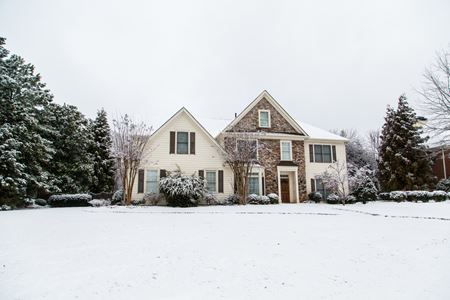
Residential pressure washing in Westchester County, NY keeps your siding, concrete, and roof looking great while protecting them from local weather wear. From snowy winters along the Saw Mill Parkway to humid summers near the Long Island Sound, our climate is tough on homes. This guide explains what each season does to your exterior and shows when to book cleanings so your property stays ahead of damage with R2 NY PRESSUREWASH SERVICES LLC.
Residential Pressure Washing in Westchester County, NY: Weather Challenges
Westchester sees real four-season swings. Winter brings snow, freezing rain, and road salt that splashes onto lower siding and driveways. Spring brings tree pollen and spores to homes. Summer humidity fuels algae and mildew, especially on shaded sides facing north or under tall oaks and maples in neighborhoods like Scarsdale and Chappaqua. Fall leaf drop blankets roofs and patios from Yonkers to Mount Kisco, leaving tannin stains and clogged gaps between pavers.
These conditions do more than make your home look dull. Moisture and organic buildup shorten surface life, stain porous materials, and create slick walkways. Timed cleanings clear contaminants before they bond or spread.
- Winter: salt spray, freeze-thaw stress, and gritty slush on concrete and lower siding
- Spring: heavy pollen film, spores, and early algae growth on shaded walls
- Summer: high humidity that feeds mildew on vinyl, wood, and stone
- Fall: leaf tannins and debris that stain concrete and hold moisture on roofs and decks
Siding: Seasonal Effects and Smart Cleaning Windows
Winter snow and road salt
Wind-driven snow and passing plows throw salty slush against ground-level panels and foundation lines. On vinyl and fiber cement, that residue dries into a dull, sticky film that collects soot from commuter traffic around White Plains and New Rochelle. On painted wood, salt and grime trap moisture against the coating. A late-winter or very early-spring rinse by a pro clears this film before spring pollen builds on top of it.
Spring pollen and spores
Dense tree cover is part of Westchester's charm, but it also means siding turns yellow-green during peak pollen. That film holds moisture after rain, feeding early algae, especially on shaded sides near mature trees in Larchmont, Tarrytown, and Bedford. Clearing the pollen layer early in the season helps prevent staining lines and musty odors along trim.
Summer humidity and algae
Warm, humid air settles in river valleys and near the Sound. Algae, mildew, and soot collect under soffits and around light fixtures. Porous textures, such as rough vinyl grain or older paint, trap more grime and can look blotchy. A mid-summer maintenance wash removes biofilm so it can't root deeper.
Fall leaves and tannins
When oak and maple leaves cling to damp siding, they leach brown pigments. Those tannins can shadow panels and seep into seams. A pre-leaf cleaning followed by a quick post-leaf rinse limits staining and keeps weep holes and trim lines clear.
Pro tip: book siding cleanings before big seasonal buildups, not after months of exposure. Early action reduces detergent needs and helps finishes last longer.
Concrete and Hardscapes Through the Year
Freeze-thaw cycles and deicers
Driveways, walkways, and stoops in places like Yonkers, Ossining, and Peekskill experience repeated freeze-thaw cycles. Water seeps into tiny pores, freezes, and expands. Gritty salt and sand grind into the surface. Over time, that leads to pitting and flaking on unsealed slabs. Professional washing in late winter or early spring removes corrosive residue, so meltwater doesn't pull additional contaminants into the pores.
Summer stains on patios and pool decks
Barbecue grease, sunscreen, and leaf tea stains show up fast on bluestone and concrete in humid weather. On pavers, joint sand holds dark growth along edges. An in-season wash keeps outdoor living areas looking fresh for gatherings in Rye, Mamaroneck, and Bronxville.
Fall leaf tannins and tracked debris
When leaves mat onto damp patios, they leave brown shadows and slippery patches. Walkways near curb lines collect extra grit and soot from busy roads and train stations. A quick clean after peak drop prevents shadows from setting during cold snaps.
Important: salt residue and moisture are a bad mix for concrete longevity. Clearing both promptly helps reduce surface scaling and keeps steps safer for family and guests.
Roofing: Seasonal Risks and Safe Cleaning Windows
Many Westchester homes have asphalt shingle roofs bordered by tall trees. Shade and moisture in places like Tarrytown, Irvington, and Sleepy Hollow encourage algae and moss, especially on north-facing slopes and around dormers and valleys.
Winter moisture and ice
Lingering snow deposits moisture under leaf litter around skylights and chimneys. That damp layer can host moss once temperatures rise. Professional cleaning in milder months clears organic film so it cannot anchor into granules.
Spring spore spread
As trees release spores, they settle into rough shingle textures and hold dust. If left, dark streaks can spread across the roof face. Catching it early makes treatment gentle and keeps curb appeal high.
Summer humidity on shaded slopes
On heavily shaded homes in Armonk or Chappaqua, humidity keeps shingles damp. That invites growth around eaves where airflow is low. A carefully managed low-pressure process cleans the surface without disturbing the protective granules.
Never use high pressure on asphalt shingles. Granule loss shortens roof life and can void manufacturer recommendations. Trained technicians use calibrated soft-washing methods designed for roofing materials.
Westchester's leaf drop and rain often overlap, so stains set quickly on concrete and decks. Plan cleaning just before peak leaf fall and again soon after the heaviest drop to keep surfaces bright and safer underfoot.
A Practical Westchester Cleaning Schedule
Here is a simple, local rhythm that works for most single-family homes across Westchester County. Your exact timing can vary by shade, tree cover, and proximity to busy roads or the Hudson.
- Late February to March: clear salt film from ground-level siding, railings, and concrete before spring pollen arrives.
- Late April to early June: remove spring pollen and spores from siding, soffits, and trim to stop early algae spread.
- Mid July: touch-up wash on shaded sides and high-traffic walkways where humidity drives mildew and grime.
- Late September: pre-leaf wash for siding, patios, and pavers to reduce tannin staining when leaves fall.
- Early to mid-November: post-leaf clean on patios, walkways, and roof problem areas after the heaviest drop.
- Any mild window: roof soft-wash evaluation if you see dark streaks, green tufts, or debris in valleys.
Schedule cleanings earlier if your home sits under a dense tree canopy or near commuter corridors where soot sticks fast. Homes near the Sound or the Hudson often need more frequent attention because breezes drive moisture against shaded walls.
Local Nuances by Neighborhood
Rye and Mamaroneck: Coastal breezes carry salt-laden mist that clings to glass, metal, and vinyl. Gentle but thorough washing keeps residue from dulling finishes and streaking windowsills.
River towns like Tarrytown, Irvington, and Dobbs Ferry: Morning fog and shade near the Hudson sustain algae on north walls and slate walkways. Regular cleaning controls biofilm on stone steps and prevents slip hazards.
Inland communities such as Scarsdale, Bronxville, and Chappaqua: Mature tree canopy means heavy pollen in spring and deep shade in summer. Siding and roofs benefit from earlier spring service and a mid-summer touch-up.
White Plains and Yonkers: Higher traffic levels add soot and oily grime to lower siding and storefront-adjacent townhomes. A late-winter wash paired with a summer refresh keeps surfaces brighter between storms.
What Each Material Needs From a Professional Cleaning
Vinyl and fiber cement siding
These materials respond well to measured pressure and targeted detergents that break down biofilm without streaking. A consistent schedule avoids the need for harsher solutions later.
Painted wood siding and trim
Wood looks best when growth is stopped early. The goal is to clean without lifting paint or driving water behind boards, which is why technique and flow control matter. Clean, dry wood also holds its finish better through winter.
Concrete, pavers, and bluestone
Professionals adjust heat, pressure, and distance to lift contaminants while protecting joints and edges. Removing leaf stains and salt residue helps the surface resist winter stress and improves traction when wet.
Asphalt shingles
Shingles require specialty soft-wash processes and rinse control to protect granules and move runoff away from landscaping. That's especially important on steep pitches and around copper or zinc details.
One small stain can signal a larger moisture pattern. Quick action from professional residential pressure washing stops the spread and protects the materials underneath.
Why Choose R2 NY PRESSUREWASH SERVICES LLC for Residential Pressure Washing
R2 NY PRESSUREWASH SERVICES LLC understands the microclimates across Westchester County and how they affect homes from Bedford to New Rochelle. Our team matches cleaning methods to your materials and exposure, using plant-conscious detergents and careful water management around gardens, patios, and walkways. We focus on results that look great on day one and hold up through the next weather shift.
Friendly scheduling, clear communication, and respect for your property are our standards. If you want a predictable plan that fits your block's tree cover and sun patterns, we can set a seasonal cadence so your home looks its best year-round.
Ready to Protect Your Home Before the Next Season?
Keep stains, salt, and growth from getting a head start. Call R2 NY PRESSUREWASH SERVICES LLC to map your personalized residential pressure washing plan for Westchester County, NY. Speak with a specialist today at 914-912-7474 and get your next cleaning on the calendar.